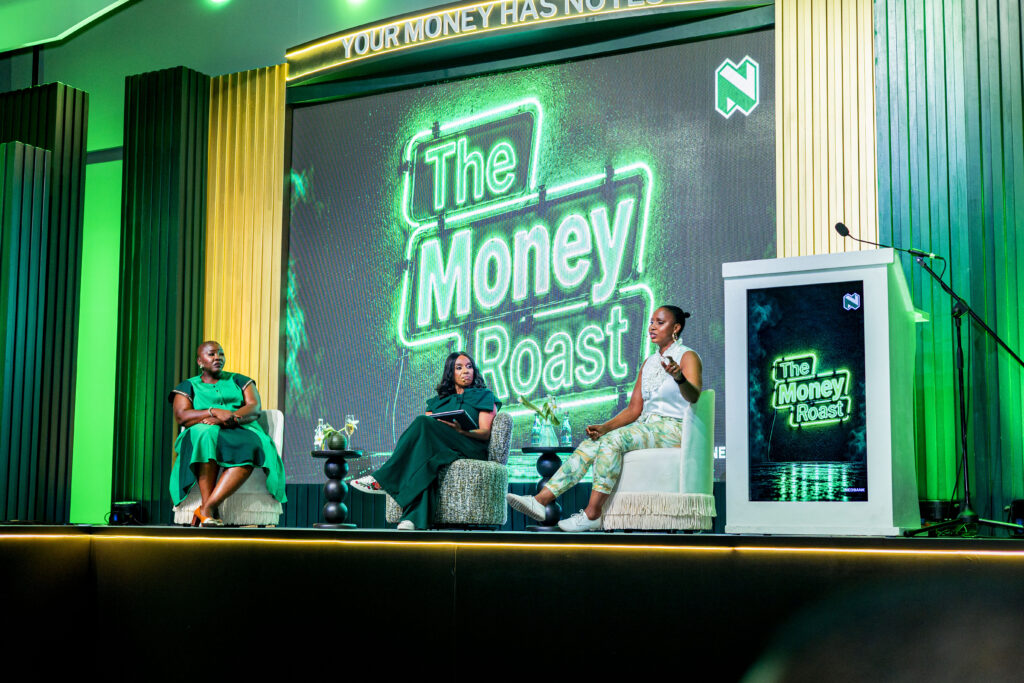
Nedbank’s The Money Roast uses comedy to spark the difficult conversations about finances that South Africans often avoid. By putting the country’s financial habits in the hot seat, the campaign examines the emotions, social pressures, and learned behaviours that shape how people earn, spend, save, borrow, and support others.
South Africans talk about money every day – from the cost of living, salaries, and interest rates to school fees, debt, groceries, and the petrol price. Yet, the psychology beneath these daily concerns is rarely explored: how money makes us feel and why we behave the way we do with it.
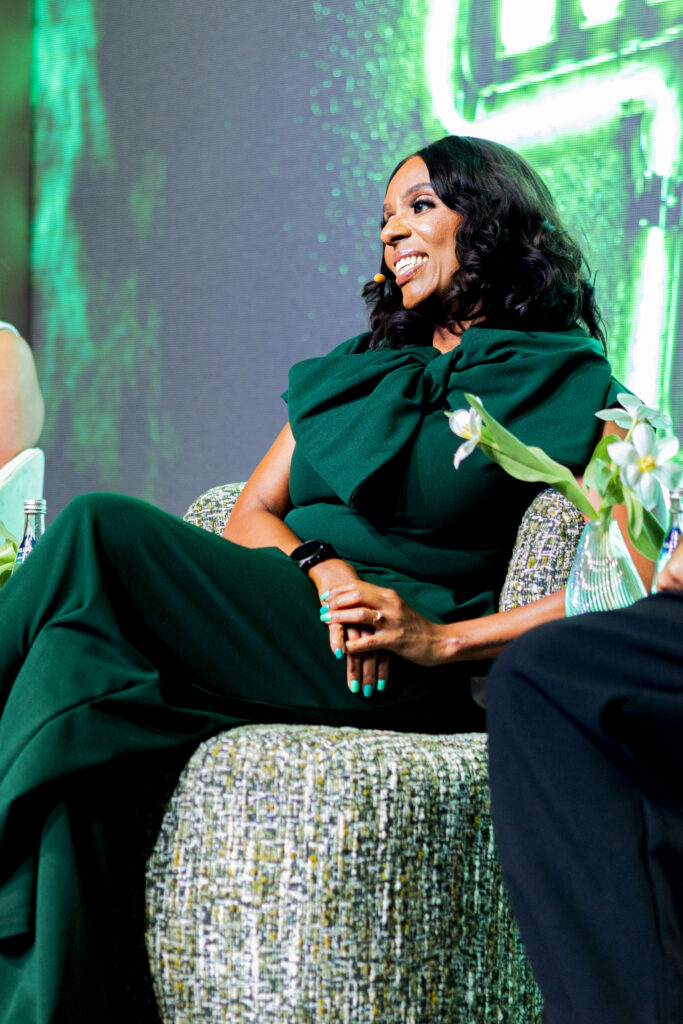
“The Money Roast was designed to bring the hidden dynamics of our money behaviours into the open in a way South Africans can relate to,” says Khensani Nobanda, Group Chief Marketing Officer at Nedbank. “Money is part of our everyday conversation, but the feelings and behaviours behind it often remain unspoken. Humour makes it easier for people to recognise themselves in the conversation. When we can laugh at the habits and pressures that shape our money choices, we can begin talking about them more honestly.”
The platform unpacks insights from Nedbank’s Money Relationships Report. Drawing on the 2025 NedFinHealth Monitor, the report explores both the financial progress working South Africans are making and the emotions that continue to complicate their financial lives:
- Stress vs. Progress: Although 46% of respondents feel financially better off than they did a year ago, money remains the biggest source of stress for 51%, while 37% still find it embarrassing to ask for financial help.
- The Impact of Habits: Practical planning makes a measurable difference. Among the 71% of respondents who keep a monthly household budget, budgeters are significantly more likely to spend less than they earn and experience lower levels of financial stress.
- The Cost of Support: Financial pressure is heavily tied to social obligations. One in four respondents (24%) cite financially helping others as a source of money stress (up from 16% in 2023), while 41% point to borrowing from family or friends as their most common form of debt.
These findings reinforce a clear reality: financial well-being is shaped not only by income and literacy, but by relationships, expectations, and emotion.
“The Money Roast is about making the invisible visible,” adds Nobanda. “The Money Relationships Report gives people the insight and language to understand what drives their financial behaviour, proving that these conversations do not have to begin with judgement. They can begin with recognition, honesty, and even laughter, and lead to practical action.”