The Orange Economy, Africa’s cultural and creative industries, holds some of the continent’s greatest economic potential. Yet, despite its talent, growth and global demand, it remains underleveraged and structurally fragile. According to PwC, Africa’s entertainment and media industry is projected to reach $112.9 billion by 2027. That number is an impressive wake-up call demanding investment in African creatives. But let’s be clear: funding alone won’t be enough.
If we truly want to unlock the value of Africa’s creative economy, we need more than admiration. We need infrastructure. Systems that allow creatives to perform, profit, produce and own.
This begins with education, real, relevant education. Not only in creative disciplines, but in the business of creativity. Artists, content creators, designers and musicians need to understand contracts, IP rights, licensing, brand partnerships, and the fine print that too often goes ignored until it’s too late. Without this knowledge, talent is at the mercy of those who know how to exploit it.
There is still a lack of knowledge in the industry. We need to share that information to empower talent so they may know how far their skills and talent can go. Too many African creatives are locked out of decision-making in their own careers, signing away rights, working without contracts and lacking legal recourse when those rights are violated.
This is why legal assistance in the creative space must be treated as non-negotiable. Creatives need lawyers who can break down complex terms, advocate for fair deals and safeguard their work in a digital world where intellectual theft moves at the speed of a scroll.
But legal support is only one piece of the puzzle. Licensing is another. Licensing is how talent scales without selling out. It’s how music, images, ideas and IP can generate recurring income across markets—without creators losing ownership. When managed properly, licensing can be a gamechanger. It keeps power in the hands of those who built it.
The creative economy is the industry of Human Economics. It is so much more than responding to emails and invoicing clients. This is legacy building and legacy requires more than individual brilliance. It requires infrastructure—legal, operational, educational, and emotional—that supports and sustains creators for the long haul.
Africa’s creative economy is not a side hustle. It is a strategic sector and our creators are economic drivers, cultural ambassadors and storytellers of the future. But if we want this economy to flourish, we need to move beyond applause and into action. Build the systems. Fund the platforms. Protect the rights. And above all, prioritise ownership.
Because brilliance should never be borrowed. It should be owned.

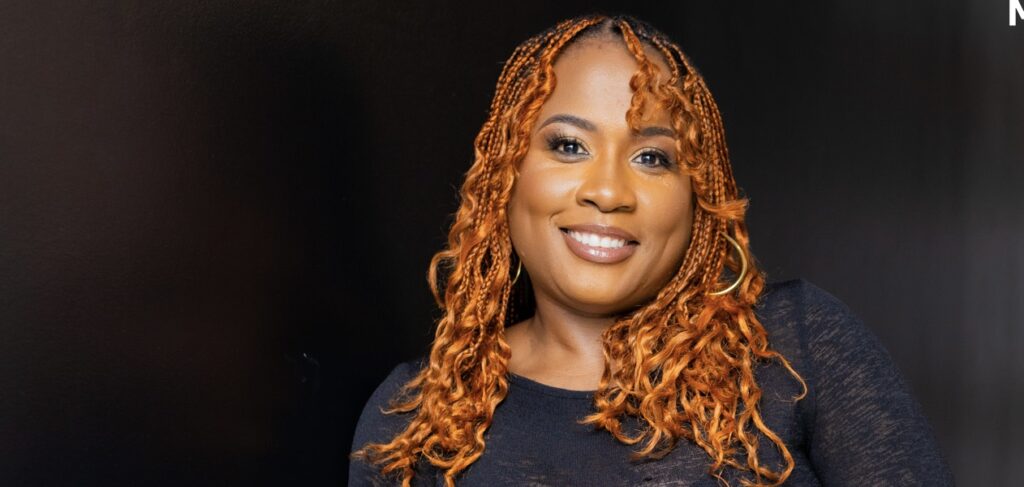
Tumelo Moema
CEO, Hayani Africa.