Who is a ‘remote worker’ anyway? In the new world of #WFH and hybrid workplaces, businesses are being forced to continue re-thinking where work is done by adopting more human-centric approaches to workplace arrangements and employee benefits.
Speaking at the 2024 Old Mutual Thought Leaders Forum, Samad Masood, Associate Vice President of the Infosys Knowledge Institute, pointed out that: ‘Most people are already flexible in some way’. Unpacking the findings of The Future of Work 2023 Report, Masood said that almost 60% of survey respondents are already working flexibly or remotely. This follows an earlier Infosys survey of the banking industry which found that the more senior the respondents were, the less likely they were to be in the office. ‘That’s not because they were at home,’ Masood said. ‘It’s because they were going to meet a client or a stakeholder.’
Masood added that about 38% of survey respondents either work from home partly or are in the field (salespeople, field staff, customer support staff, etc). ‘But then if you break it down even further, 15% are in a specialist facility, which might be a factory or warehouse, laboratory, hospital, care home…’ he said. ‘These are not offices. A further 25% are working in branches – and depending on your industry, most branches don’t resemble a typical office either. So you could argue that only 21% of people are actually based in a proper office. The fact is, being in the office is just not really what most people do.’
These findings are consistent with the Remchannel 2023 Employee Benefits Survey. Remchannel Managing Director Lindiwe Sebesho told the 2024 Old Mutual Thought Leaders Forum that hybrid work in South Africa has doubled since 2019, with 83% of local employers having since implemented a hybrid work model.
What does this mean for small businesses? As with larger enterprises, the focus isn’t so much on remote working, but rather on flexibility. Some 65% of senior executives told the Infosys survey that they are increasing remote working to attract or retain talent. But, Masood warns, this isn’t enough on its own. ‘Organisations will need – and are carrying out – a combination of initiatives to engage employees and drive retention,’ he says.
Holding onto talented staff is crucial for small businesses. According to The Future of Work report, companies with higher retention are almost 20% more likely to increase their revenue and profit than those that saw retention fall. ‘Our research discovered that employee retention is related to both the benefits that they are offered as well as the level of digital modernisation and automation that their employers were delivering,’ says Masood. ‘With flexibility and personalisation having entered other aspects of the workplace – such as work location, work timings or work styles – it will be worth adapting them to employee benefits, too, to drive employee satisfaction and gain a competitive advantage,’ he adds.
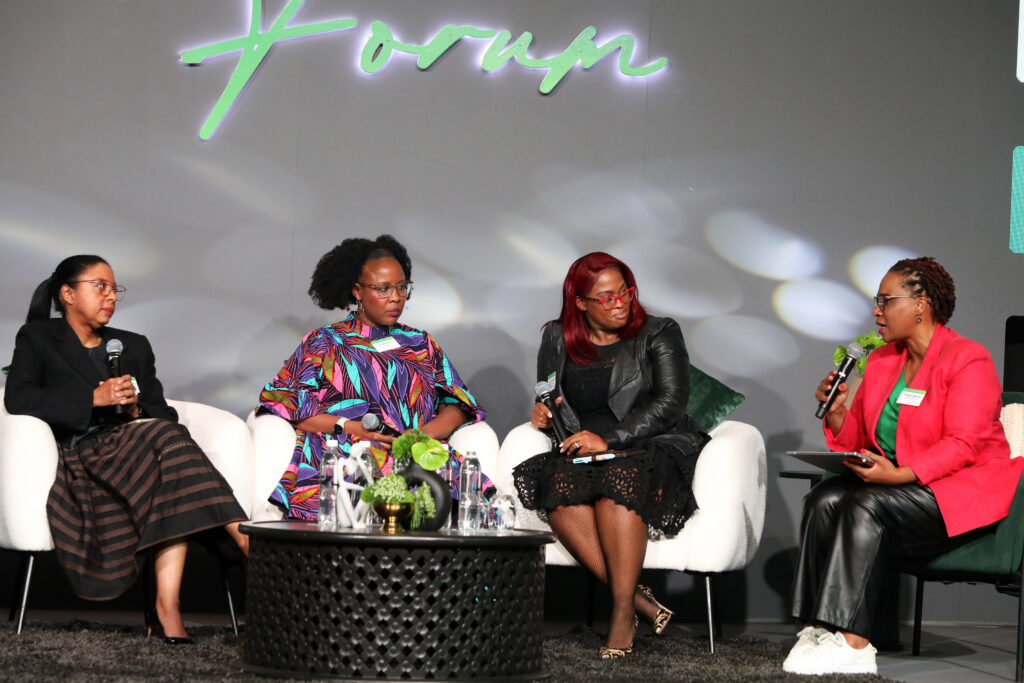
Sebesho says that this highlights the need for organisations to engage with individual members of their increasingly diverse workforces. ‘For the first time, five generations make up the workplace, bringing different perspectives and priorities. This means a flexible, innovative approach to employee benefits is necessary,’ she says.
However, offering a robust employee benefits plan is just one aspect of the ‘total wellness mindset’ companies should embrace, Masood said. ‘Companies should think about how the plan is delivered, the ease with which employees can benefit from it, and whether they can access the full spectrum of complementary wellness benefits surrounding it. This will help to support better engagement and a positive employee experience.’
‘Each employee is a different individual, with unique preferences,’ Masood concluded. ‘Companies that acknowledge this and go the extra mile to personalise the experiences that they provide to their staff – whether it is through individual learning programmes or flexible benefits – will have an upper hand.’
* Get more insights from the Old Mutual Thought Leaders Forum, including free access to a special Old Mutual Mindspace publication, here