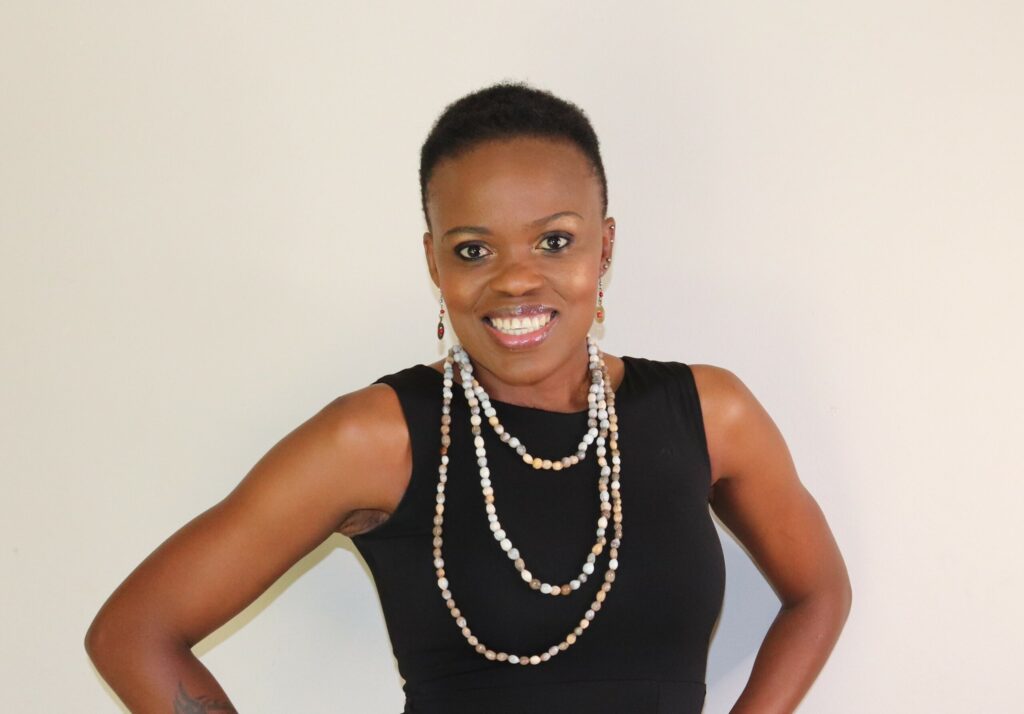
A new chapter in South Africa’s tech landscape has been written with the launch of Skhokho 2.0, an all-in-one business management platform designed by entrepreneurs, for entrepreneurs. The platform, a socio-economic catalyst aiming to formalise and scale South African small businesses, is the brainchild of Bertha Kgokong, a chemical engineer turned self-taught software developer who spent over a decade in corporate before venturing into tech in 2017. The platform’s name, “Skhokho”—a powerful slang term for “a boss” or “a top dog”—is a deliberate choice by Kgokong, a black woman who has navigated and overcome significant barriers in the tech industry.
“I wanted an authentic South African name that would be instantly recognisable but also spark curiosity,” says Kgokong. “Skhokho embodies the spirit of our culture and the ambition of every entrepreneur who wants to be a champion in their field. More importantly, it signals that world-class software can be built right here at home.”
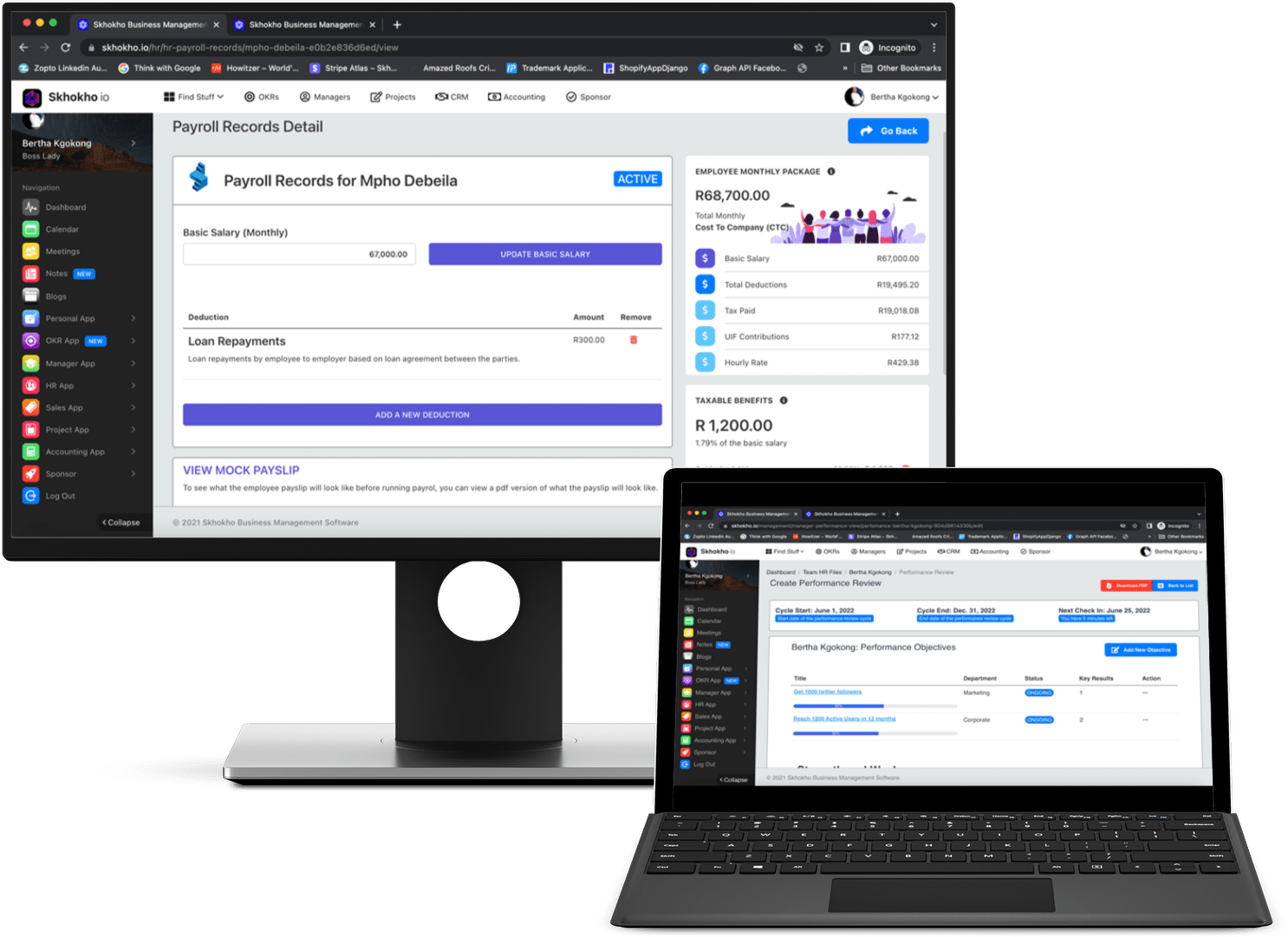
Skhokho 2.0 addresses a critical market gap, the prohibitive cost and complexity of subscribing to multiple, disparate software platforms. Instead of juggling separate systems for CRM, HR, project management, accounting, and more, Skhokho integrates these functions into a single, affordable, and intuitive interface.
The real game-changer is the platform’s deep integration of artificial intelligence. Skhokho 2.0 features an AI agent that allows users to manage core business functions through natural language. Entrepreneurs can simply speak or type a command to:
- Generate a meeting summary from notes
- Auto-create a new CRM contact by uploading a business card
- Draft and email an invoice to a client.
- Conduct market research for new insights
“Our goal is to eliminate administrative friction,” explains Kgokong. “By making administration conversational and fast, we free entrepreneurs to do what they do best, focus on growth, strategy, and serving their customers. This is about levelling the playing field with technology.”
Kgokong’s journey as a founder began with her company, Tati Digital Software Development, where she built numerous custom solutions and products, including the popular MobileGPT—a WhatsApp-based chatbot that generates images, business plans, and resumes. However, her path has been marked by a relentless drive to innovate against significant hurdles. She faced scepticism as a black woman in tech and, in a striking example of her outlier status, found herself flagged by automated fraud detectors. Promotional accounts for MobileGPT were even banned by major social media platforms like Google, LinkedIn, and Twitter.
“These challenges fuelled my resilience,” Kgokong states. “It indicates you have something great to offer when these systems can’t categorise you. I’ve doubled down on earning trust through results, proving that our nation can be a supplier of premium technology to the world.”
The launch of Skhokho 2.0 is poised to create a lasting socio-economic impact. By enabling SMEs to operate more efficiently, the platform helps them formalise their businesses, create jobs, and contribute to a more inclusive economy. The company’s planned partnerships with business incubators will see Skhokho give SMEs access to world‑class tools that help them operate efficiently, respond faster to market shifts, and seize new opportunities. Skhokho empowers SMEs to become more agile, competitive, and growth‑ready in an environment that is constantly changing.
Looking ahead, Kgokong is optimistic about the future of AI in business. “I see chatbot technology and AI being widely adopted across many industries, in fact it already is, and I firmly believe this movement will create more jobs than it threatens,” she states. This vision fuels the company’s planned expansion, including a WhatsApp-based AI agent, deeper payroll and expense automation, and internationalisation.
The legacy Kgokong hopes to build is one of empowerment and inspiration. “I want Skhokho to be remembered as the first South African cloud-based software product to scale globally, and to inspire a new generation of African women and entrepreneurs to build products that change the world,” she concludes.